

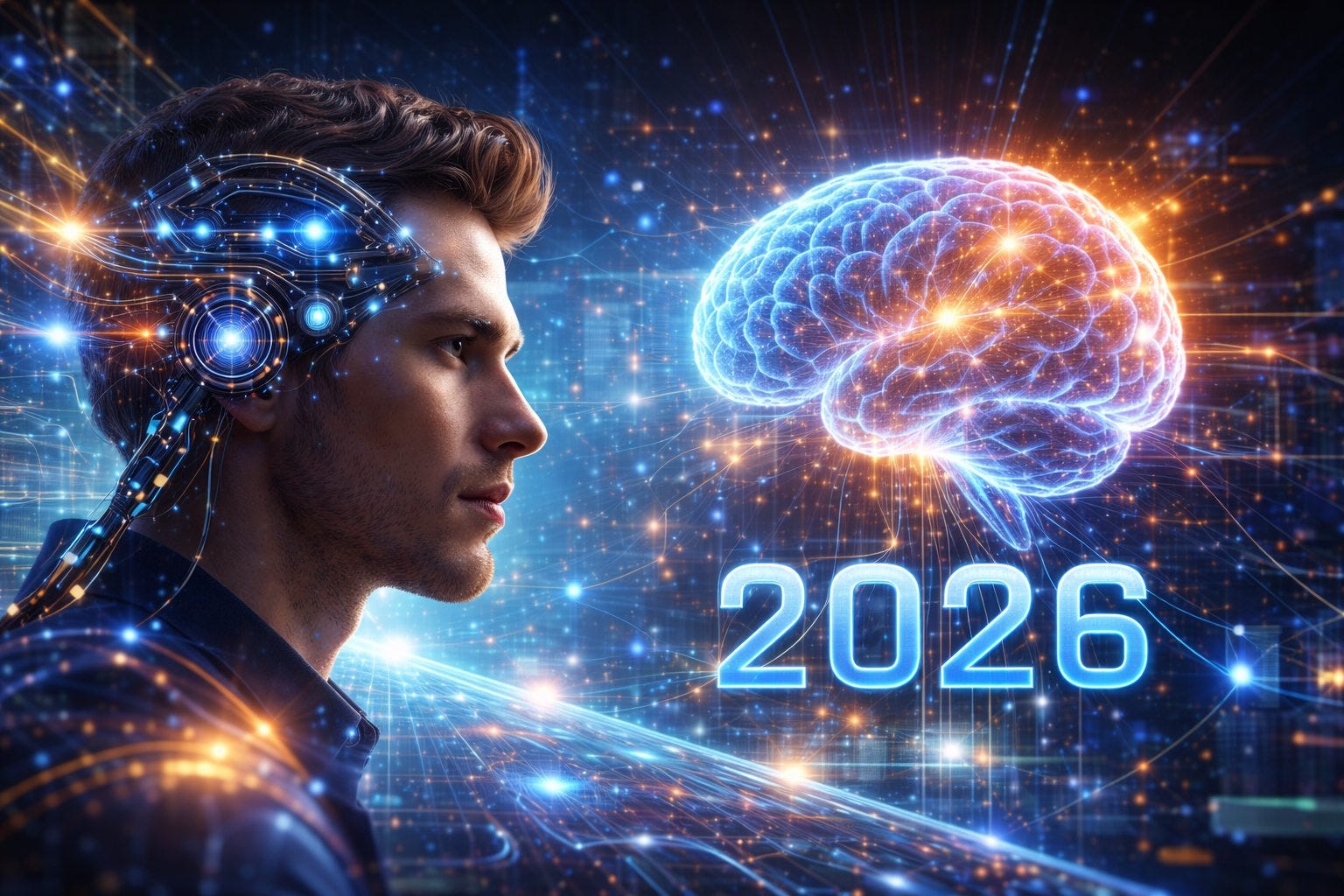
Imagine controlling your digital world just by thinking. Not tapping. Not swiping. Just thinking. Sounds like sci-fi? In 2026, neurotechnology is turning that fantasy into an emerging reality — and disrupting the tech landscape as we know it. Buckle up. This world is equal parts promise, paradox, and ethical sticker shock 🤯.
Neurotech Is Everywhere — And That’s Only the Beginning
Forget laptops and touchscreens. Neurotechnology — tech that interfaces directly with the human brain — is transitioning from research labs into practical, real-world tools. Today it’s mostly in medical and experimental settings, but 2026 is the year that “mind-machine” technology truly starts to feel real.
At its core are brain-computer interfaces (BCIs): systems that decode brain signals into computer commands. Historically the stuff of sci-fi movies, BCIs are now in human clinical trials, helping people with paralysis control devices and communicate using thought alone. Paradromics just received FDA approval for long-term clinical trials aimed at restoring speech — literally turning thought into words 🗣️✨.
This isn’t fringe anymore. Companies like Neuralink, Synchron, and Paradromics are moving brain interfaces toward outcomes that affect real patients — not just impressive demos.
But there’s more than one flavor emerging:
🧠 Clinical BCIs
These devices are designed to restore lost abilities — like enabling a person who can’t speak or move to interact with the world again. Paradromics’ Connexus BCI is being tested to restore speech, while others focus on movement or neural control of devices.
🧲 Advanced Implants & Decoding
Researchers are developing paper-thin, AI-ready implants capable of ultra-high bandwidth brain communication — almost like upgrading your neural USB drive.
⚡ Non-Invasive Interfaces
Not all neurotech requires brain surgery. New startups — like Merge Labs backed by OpenAI’s Sam Altman — are exploring ultrasound-based interfaces that aim to read brain activity using sound waves rather than electrodes embedded in neural tissue.
Beyond Medicine: Neurotech Meets Everyday Tech
If you think neurotech is only about clinical use, think again. The consumer side of neurotech is booming, too; dedicated consumer neurotech firms now outnumber medical ones, powering focus-tracking headsets, neurofeedback wearables, and even concept products that might one day let you control your phone with your thoughts.
Rewind a few years and that felt like gadget-showboating. But as venture investment surges and startups proliferate, we’re seeing neurotech creep into the mainstream narrative alongside AI, robotics, and XR. That’s huge. Think: neuro-enabled phones, immersive gaming controlled by thought, or even mood-aware wellness wearables — a future that’s no longer 50 years away.
It’s not just about cool gadgets — market growth reflects serious economic weight. The global neurotech market is projected to nearly double by 2026, with disruptive segments like neuroprosthetics and neuromodulation leading the charge.
AI and Neurotech: A Symbiosis Begins
In 2026, the lines between neural signals and artificial intelligence blur like brushed paint on a canvas. Neurotech without AI is like a smartphone without an operating system — possible, but severely limited.
Already, companies are training AI models on neural data to decode intentions more reliably and create intuitive control interfaces. That’s the secret sauce — AI that predicts what you mean, not just reads what you think. This clue into cognition is a game changer for rehab tech, robotics, communication tools, and more.
And as these technologies converge, imagine what’s next:
🤖 Thought-controlled robotics
🧠 AI-assisted cognitive training
📱 Mind-to-device communication without lifting a finger
🎮 Neuro-augmented gaming and entertainment experiences
Sounds futuristic? Maybe. But the machinery of innovation is already racing there.
The Human Side: Ethics, Privacy & Neural Rights
Now we get to the water-cooler part everyone should talk about: the social and ethical landscape.
If data about your thoughts can be recorded or interpreted, what’s off-limits? Who owns that data? Who decides what’s private or public within your brain? These aren’t sci-fi hypotheticals — UNESCO just adopted global standards to protect mental privacy in neurotech, addressing neural data use and consent.
We’re talking about neural privacy — a concept as delicate and profound as “your mind is your castle,” but for the digital age. This isn’t just good PR — it’s essential if society wants to trust and safely adopt this tech.
So here’s the million-dollar question:
👉 Do we regulate neurotech to protect minds, or let innovation blaze forward and deal with problems later?
I think the future’s answer will involve both. But the conversation starts now — and your brain is already in the spotlight.
Why 2026 Is a Milestone, Not Just a Year
2026 isn’t the end of the neurotech journey — it’s the moment of transition:
From laboratory curiosity…
…to practical tools
From science fiction…
…to patient-changing technology
From isolated medical tech…
…to consumer and AI ecosystems that touch everyday life
We might still be years or decades away from direct thought-driven social media or neural voice assistants. But what’s happening now — clinical trials, consumer startups, AI-neuro fusion, ethical frameworks — sets the stage for 2030 and beyond.
And that’s what makes 2026 electrifying rather than just incremental.
So, What Should You Do Next? 🤔
🧠 Explore neurotech startups like Neuralink, Paradromics, Synchron — see how they’re shaping the future.
📚 Stay updated: subscribe to neurotech newsletters or conferences like Neuro Tech Forum 2026.
🗣️ Join the conversation around neural privacy and ethics — this isn’t just tech talk; it’s human rights talk.
Are we ready for mind-aware technology?
Maybe.
Maybe soon.
But one thing’s for sure — the future of neurotech feels alive. New. Urgent. And a little bit thrilling.