

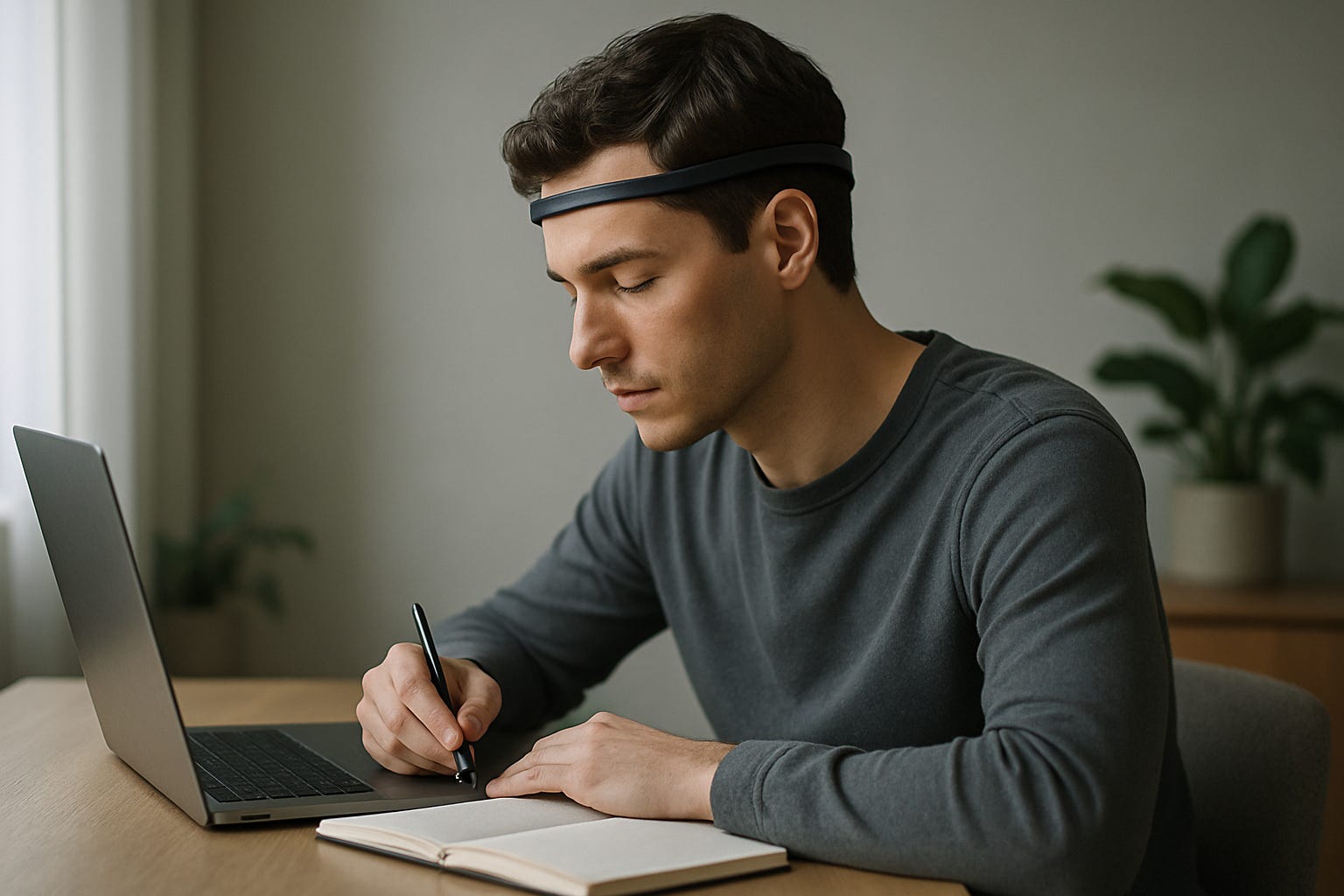
Your brain is chatty. It crackles with electrical signals all day, muttering about emails, caffeine, deadlines, and whether you really need that third espresso. ☕🧠⚡ For years, tapping into those signals meant a lab, a tangle of wires, and a graduate student whispering “please don’t move.”
Not anymore.
In 2026, non-invasive neurotech is finally shedding its science-fair vibe. The best devices are sleeker, smarter, and less interested in impressing investors with jargon. They want to help you sleep better, focus longer, and maybe understand your own mind a little more clearly. That’s a big promise. Sometimes too big.
Still, a handful of wearables look genuinely interesting. Not because they read your thoughts, they absolutely do not, but because they gather real brain and body data and turn it into useful feedback. 🧬📈🎧
If you’re curious where consumer brain-computer interfaces are heading, these are the devices I think deserve a spot on your radar.
The productivity headset that means business
The most ambitious device in this category is Neurosity Crown. It looks like a futuristic tiara designed by someone who drinks cold brew and writes Rust code. 👑💻⚡
Unlike meditation gadgets that politely tell you to breathe, Crown is built for people who want raw EEG data, developer tools, and integrations with AI systems like ChatGPT and Claude. According to Neurosity, the headset uses 8 EEG channels and performs signal processing directly on the device, which is exactly the kind of engineering detail that makes neurotech nerds grin like kids in a candy store. ([Neurosity][1])
What makes it interesting? 🧠🚀📊
Real-time brainwave monitoring during work sessions Focus tracking and adaptive audio cues Developer SDKs for custom applications Native AI integrations, which sounds a little absurd and a little brilliant
This is not a casual purchase. At around $1,499, it is expensive enough to provoke a raised eyebrow and perhaps a call from your accountant. But if you are serious about neurofeedback or BCI development, it is one of the few devices that feels like a real platform instead of a wellness toy.
Want to build your own brain-powered apps? Crown is probably the most intriguing consumer headset on the market.
The sleep headband that knows what your brain did last night
If Crown is for coders, Muse S Athena is for people who wake up and immediately ask, “How much deep sleep did I get?” 😴🌙🧠
Muse has been the household name in consumer EEG for years, and Athena is its most advanced model yet. It combines EEG and fNIRS, a light-based technique that measures blood oxygen changes in the brain. That’s unusually sophisticated for a device wrapped in soft fabric. Wikipedia’s fNIRS overview is worth a look if you enjoy reading about photons before breakfast.
Why Athena stands out ✨📉💤
EEG-based sleep staging Meditation and neurofeedback fNIRS brain oxygen tracking No required subscription for core functionality
Users on Reddit report that its sleep estimates often feel more believable than wrist-based trackers because EEG measures actual brain activity rather than making educated guesses from heart rate and movement. ([Biohacker Atlas][2])
Let’s be honest, if your ring says you slept like a squirrel in a windstorm but your EEG says you were out cold, I would trust the device reading your brain.
Would you wear a headband every night? That’s the real question.
The brainband that wants to fix your sleep
FRENZ Brainband from Earable Neuroscience is one of the most interesting underdogs in neurotech. It combines EEG sensors with AI-generated audio to help guide sleep and improve focus. At CES 2026, the company unveiled a high-end SuperBrain Edition, which sounds either incredibly cool or slightly ridiculous, depending on your tolerance for luxury branding. 🛌🎧🧠 ([PR Newswire][3])
What it offers:
Real-time EEG monitoring Personalized sound therapy Sleep and mental recovery support A design that looks less “medical experiment,” more “premium travel accessory”
I like this category because it tackles a practical problem. Most people do not want to control a cursor with their thoughts. They want to fall asleep faster and stop waking up at 3:17 a.m. thinking about invoices.
That’s a much bigger market.
The devices that may define the next wave
Not every notable neurotech wearable is on store shelves yet. Some are prototypes, some are quietly maturing, and some may vanish before next year’s CES. That’s normal. Hardware is hard. 😅🔬📦
Names worth watching include:
LumiMind and its LumiSleep headband Neurable, which is shifting toward licensing its technology to other brands * NeuroTx and its WillSleep device using vagus nerve stimulation
These products suggest a broader trend: neurotech is becoming less about flashy demos and more about everyday use cases.
The likely winners will do a few things well:
Feel comfortable enough to wear regularly Deliver understandable insights Avoid burying features behind subscriptions Solve a problem people already care about
That last point matters most. Nobody buys a headset because it has eight electrodes. They buy it because they want to sleep, focus, or feel better.
So, is consumer neurotech finally ready?
I think it is getting close. Not because these devices can read your thoughts, they can’t, but because they are becoming useful enough to fit into real routines. 🧠📅⚡
There are still caveats.
Signal quality depends heavily on fit Scientific claims vary from solid to squishy * Prices range from reasonable to “I should probably discuss this with my spouse”
Yet the progress is hard to ignore. A few years ago, consumer neurotech felt like a collection of expensive science projects. In 2026, it feels more like an emerging product category.
For deeper context, Wikipedia’s brain-computer interface overview is an excellent starting point, and NeurotechMag’s own coverage of consumer BCIs will likely expand quickly as these devices mature.
So here’s the real question. If a comfortable wearable could show exactly when your mind is focused, calm, or drifting, would you want to know? 🧠🔍✨