

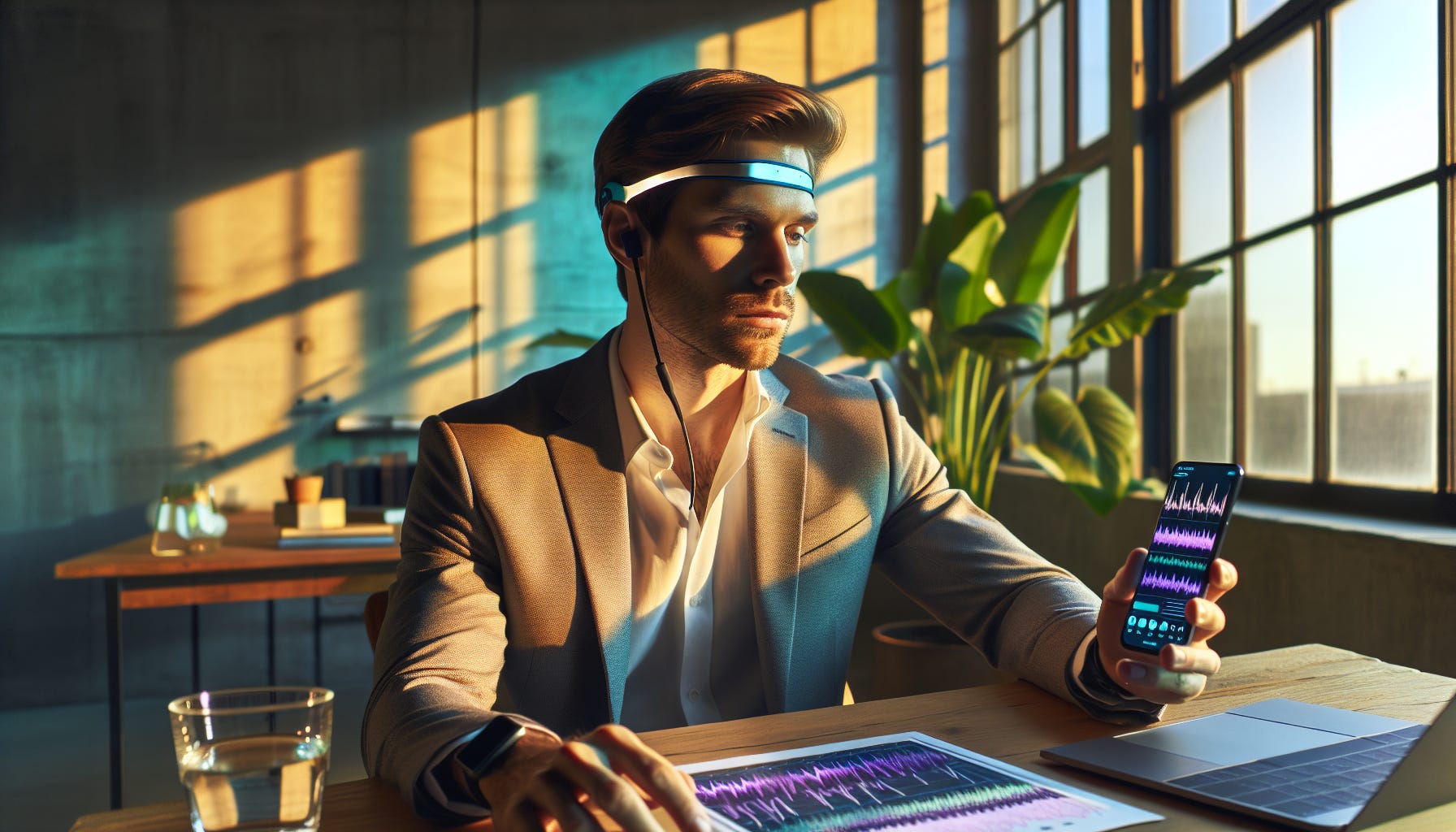
Consumer neurotech no longer lives in labs or hospitals. You can buy an EEG headband today, pair it with your phone, and get instant feedback on whether your brain stays locked in or starts to drift. CES 2026 brought brain-tracking gaming headsets and FDA-cleared in-ear sensors that push the tech further into everyday use. I think a few options already beat old-school productivity hacks for certain tasks, yet plenty still feel like expensive toys. This guide cuts through the noise so you decide if any device deserves space on your nightstand or desk.
What consumer neurotech actually delivers right now
These gadgets read electrical signals from your scalp or ear canal and turn them into simple scores or audio cues. Non-invasive EEG sensors sit inside soft bands or earbuds so you avoid surgery. The best ones pair with apps that coach you in real time, like gently chiming when your attention wanders during work. 🧠
Neurable teamed with HyperX to embed sensors in gaming headphones that track focus during long sessions. Results from early testers show quicker recovery from distractions. The market for wearable neurotech hits $2.61 billion this year, according to recent industry numbers, because people want data on their brains the same way they track steps.
Focus tracking flags when your mind drifts so you snap back faster
Sleep optimization plays sounds timed to your brainwaves to shorten the time it takes to fall asleep
Meditation scoring rates session depth and suggests breathing adjustments
Cognitive readiness from in-ear devices like IDUN Guardian 4 tells you if your brain feels sharp before a meeting
Hands-free alerts appear in new earbuds that detect micro-gestures linked to thought patterns
If you already use a fitness tracker, adding brain data feels natural. Think about the last time your focus slipped during a deep task. Would a gentle nudge from your own brainwaves help?
Devices that earn their price tag in 2026
Muse S Gen 2 remains a favorite for meditation fans because its fabric band feels comfortable for nightly use and the app delivers clear sleep insights. Emotiv Insight appeals to tinkerers who want five channels of raw data for custom experiments. The Neurable x HyperX gaming headset prototype earned multiple CES 2026 awards for turning playtime into performance training. 🛠️
IDUN Guardian 4 earbuds give a cognitive readiness score without a bulky headband, which makes them easy to wear all day. NAOX LINK just cleared the FDA for in-ear EEG monitoring, so clinical-grade tracking now fits in your pocket.
Muse S Gen 2 costs around $500 and shines for sleep and calm routines
Emotiv Insight runs about $499 and works for hobbyist brain-computer interface projects
Neurable x HyperX prototype targets gamers who lose focus mid-match
IDUN Guardian 4 earbuds deliver subtle feedback during meetings or workouts
NAOX LINK offers FDA-cleared accuracy for everyday brain monitoring
Read more practical examples in 6 Brain-Computer Interface Products You Can Use Today. I find these standouts because they solve one clear problem instead of promising everything at once.
Match the tech to your actual goals before you buy
Not every device fits every person. Start by listing your biggest mental hurdle, then shop accordingly. 🧬 High-performers chasing flow states lean toward gaming headsets, while parents fighting bedtime chaos pick sleep-focused bands.
The field grows fast, with companies racing to add AI that predicts your next distraction. Still, accuracy varies by hair type, sweat levels, and how well the sensors touch skin.
Busy professionals pick in-ear options for all-day wear without looking odd
Meditation regulars grab soft headbands that double as sleep aids
Gamers and coders test brain-tracking headphones that flag tilt before it hits
Students use affordable five-channel sets for study-session feedback
Early adopters experiment with open platforms like Neurosity Crown for custom apps
Have you ever wondered why some mornings feel productive and others drag? These tools can reveal patterns your calendar misses. For deeper context on how brain interfaces already sneak into daily life, check 7 Surprising Ways Brain-Computer Interfaces Are Already in Your Life.
Real risks and smart ways to handle them
Privacy tops my list of concerns because your brainwave data reveals more than a smartwatch ever could. Companies store patterns that could one day show mood or even thoughts if regulations lag. Cost also stings: most solid options run $300 to $500, and you still need the app subscription for full features. Signal quality drops if you move around a lot, so results feel inconsistent at first.
Data ownership stays murky even with new UNESCO guidelines from late 2025. I worry that early buyers become unwitting beta testers while the tech matures.
Privacy policies vary, so read them before syncing your phone
Fit and comfort matter more than channel count for daily use
Return windows let you test at home for two to four weeks
Battery life limits all-day wear on some models
App ecosystems determine how useful the raw data becomes
Learn about broader neurotech edges in 7 Competitive Advantages Only NeuroTech Companies Can Build. For the basics of how these signals work, see the brain-computer interface overview. The Neurable and HyperX partnership gives a clear look at where gaming meets brain tech, detailed in this CES 2026 announcement.
So here is my question for you: what single mental habit would you upgrade first if a $400 device actually delivered consistent results?